My Notes

Study Timer
25:00
Today: 0 min
Total: 0 min
🏆

Achievement Unlocked!

Description

+50 XP

Information Security 2024

Reading Timer
25:00
Information Security Solutions 2024 | Purbanchal University

🛡️ Information Security

Master of Information Technology (M.I.T.) - Second Semester

Final Exam 2024 | Subject Code: MIT122

Group A - Answer TWO Questions (2×12=24 Marks)

🔄 Question 1 6+6 Marks

Explain the role of security SDLC in creating secure software applications. How do businesses make sure that development operations within organizations are secure?

🔄 Role of Security SDLC (SSDLC) in Creating Secure Software Applications

Security Software Development Life Cycle (SSDLC) integrates security practices into every phase of traditional SDLC. Unlike conventional development where security is an afterthought, SSDLC adopts a "shift-left" approach embedding security from the initial planning stage.
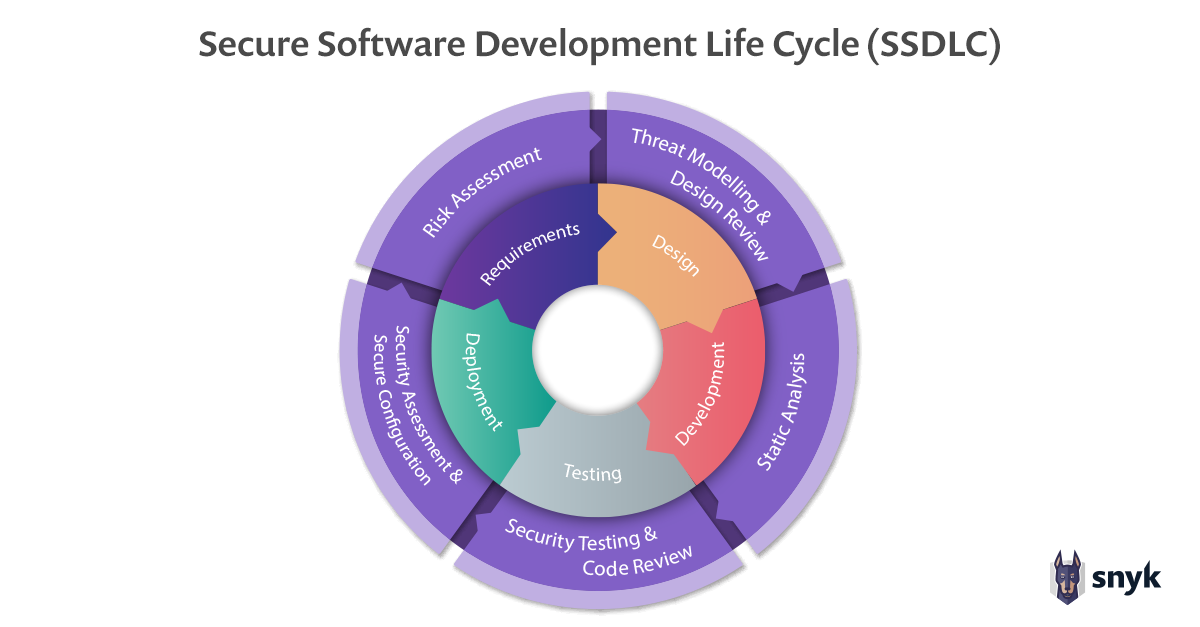
Secure SDLC Phases
Figure 1: Secure Software Development Life Cycle (SSDLC) Phases

Key Phases and Security Integration:

  • Planning & Requirements: Security requirements gathering, threat modeling, compliance mapping (GDPR, ISO 27001), and risk assessment
  • Design: Secure architecture design, attack surface analysis, secure design patterns implementation
  • Development: Secure coding standards (OWASP, CERT), static application security testing (SAST), code reviews
  • Testing: Dynamic application security testing (DAST), penetration testing, vulnerability scanning
  • Deployment: Secure configuration management, environment hardening, secrets management
  • Maintenance: Continuous monitoring, patch management, incident response planning

Benefits of SSDLC:

  • Reduces cost of fixing vulnerabilities (100x cheaper to fix in design vs production)
  • Ensures compliance with regulatory requirements
  • Builds customer trust and brand reputation
  • Prevents data breaches and associated financial losses

🚀 How Businesses Ensure Secure Development Operations (DevSecOps)
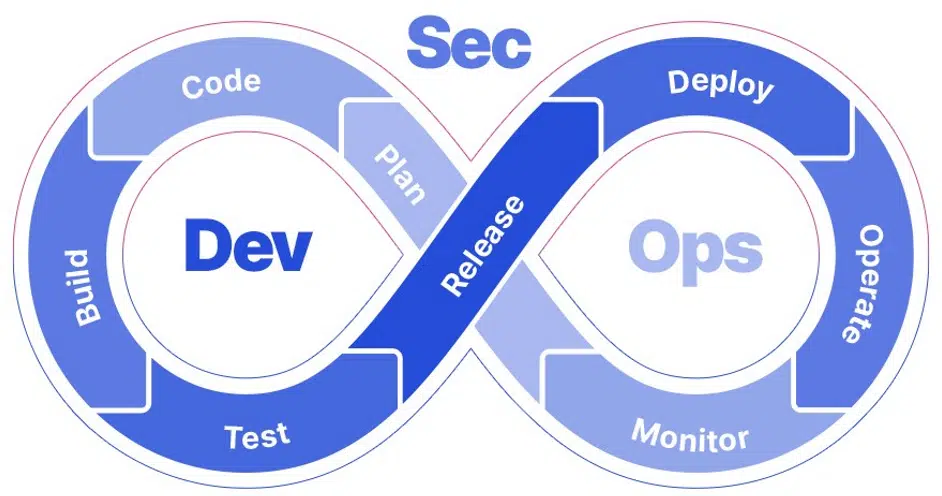
DevSecOps Cycle
Figure 2: DevSecOps Integration - Security embedded in CI/CD pipeline

Organizations implement DevSecOps to automate security integration:

  • Automated Security Testing: Integrate SAST, DAST, and dependency scanning into CI/CD pipelines
  • Infrastructure as Code (IaC): Security policies defined as code ensuring consistent secure deployments
  • Container Security: Image scanning, runtime protection, and orchestration security (Kubernetes policies)
  • Secrets Management: Tools like HashiCorp Vault, AWS Secrets Manager for credential protection
  • Security Champions Program: Training developers in secure coding practices
  • Continuous Monitoring: Real-time threat detection using SIEM and SOAR platforms
  • Zero Trust Architecture: Never trust, always verify principle for all access requests
Key Insight: Microsoft's SDL (Security Development Lifecycle) reduced security vulnerabilities by 50% post-implementation, demonstrating the effectiveness of systematic security integration.

🧱 Question 2 8+4 Marks

What are the benefits and limitations of using firewalls as defense mechanism? What features are considered while selecting an appropriate firewall for protecting an organization's information?

🧱 Benefits of Firewalls as Defense Mechanism

Firewall Architecture
Figure 3: Firewall Network Security Architecture

1. Network Perimeter Protection:

Firewalls act as the first line of defense, creating a barrier between trusted internal networks and untrusted external networks (Internet). They monitor and control incoming and outgoing traffic based on predetermined security rules.

2. Access Control:

Granular control over network traffic through rule-based filtering including IP addresses, port numbers, protocols, and application-level inspection.

3. Threat Prevention:

  • Blocks unauthorized access attempts and port scanning
  • Prevents malware from communicating with command & control servers
  • Stops certain types of DoS attacks through rate limiting
  • Filters malicious content and known attack signatures

4. Logging and Monitoring:

Comprehensive logging capabilities enable security teams to analyze traffic patterns, detect anomalies, and conduct forensic investigations.

5. VPN Support:

Modern firewalls provide secure remote access through VPN termination, encrypting traffic between remote users and corporate networks.

6. Application Awareness:

Next-Generation Firewalls (NGFW) can identify and control applications regardless of port or protocol used, enabling fine-grained policy enforcement.

🧱 Limitations of Firewalls

  • Internal Threats: Cannot protect against insider threats or malware already inside the network
  • Encrypted Traffic: Difficulty inspecting encrypted traffic (TLS/SSL) without SSL inspection capabilities
  • Zero-Day Attacks: Signature-based detection fails against unknown threats
  • Social Engineering: No protection against phishing or human manipulation
  • Complexity: Misconfiguration can create security gaps; rule management becomes complex
  • Performance Impact: Deep packet inspection can introduce latency
  • Bypass Techniques: Tunneling, VPNs, and encrypted proxies can circumvent firewall controls

🧱 Features to Consider When Selecting a Firewall

Feature Category Specific Considerations
Performance Throughput capacity (Gbps), concurrent connections, new connections per second, latency impact
Security Capabilities IPS/IDS integration, malware sandboxing, URL filtering, SSL/TLS inspection, sandboxing
Scalability Support for growth, cloud integration, virtual firewall options, clustering capabilities
Management Centralized management, intuitive GUI, API availability, policy optimization tools
Integration SIEM compatibility, threat intelligence feeds, SD-WAN integration, zero trust architecture support
Compliance Logging standards, reporting capabilities, regulatory compliance features (PCI DSS, HIPAA)
Cost TCO including licensing, support, hardware, training; subscription models vs perpetual licensing

📋 Question 3 6+6 Marks

(a) What are employment policies and practices within an organization regarding information security?
(b) Discuss about technical and non-technical aspects of security implementation.

(a) Employment Policies and Practices for Information Security
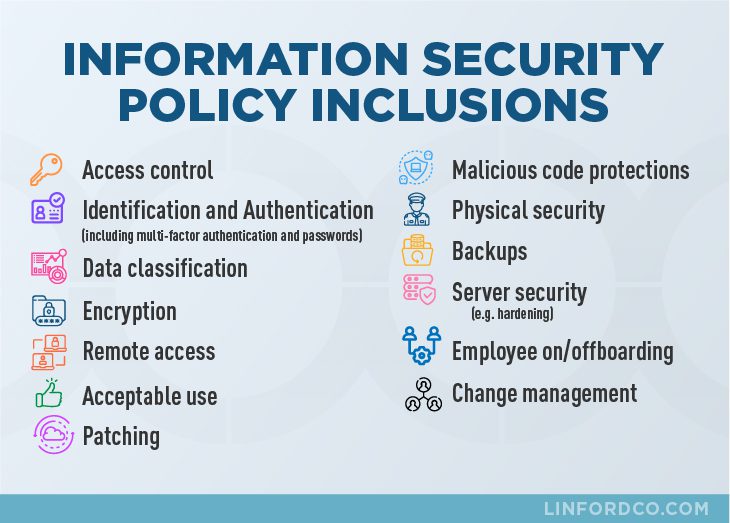
Information Security Policy
Figure 4: Information Security Policy Components

1. Pre-Employment Phase:

  • Background Verification: Criminal record checks, employment history verification, education credential validation
  • Security Clearance: For sensitive positions, appropriate clearance levels based on data access requirements
  • NDA Agreements: Non-disclosure agreements protecting proprietary information
  • Acceptable Use Policy (AUP) Review: Candidates must acknowledge IT resource usage policies before hiring

2. During Employment:

  • Role-Based Access Control (RBAC): Principle of least privilege - employees access only necessary resources
  • Security Awareness Training: Mandatory annual training covering phishing, social engineering, password hygiene
  • Clear Desk Policy: Requirements for securing physical documents and devices
  • Remote Work Policies: VPN usage, secure Wi-Fi requirements, device encryption standards
  • Incident Reporting: Procedures for reporting suspicious activities or security breaches
  • Regular Access Reviews: Quarterly reviews of user privileges and access rights

3. Termination/Transfer Procedures:

  • Immediate Access Revocation: Timely disabling of accounts, VPN access, and building access
  • Asset Return: Collection of laptops, mobile devices, access cards, and confidential materials
  • Exit Interviews: Reminders of ongoing confidentiality obligations
  • Knowledge Transfer: Secure handover of data and system access to replacements

(b) Technical and Non-Technical Aspects of Security Implementation

Technical Aspects:

  • Access Control Mechanisms: Multi-factor authentication (MFA), biometric systems, smart cards, password policies
  • Encryption: Data at rest (AES-256), data in transit (TLS 1.3), end-to-end encryption for communications
  • Network Security: Firewalls, IDS/IPS, network segmentation, VLANs, VPNs
  • Endpoint Protection: Antivirus/EDR, host-based firewalls, device encryption, patch management
  • Security Monitoring: SIEM systems, log management, behavioral analytics, threat hunting
  • Backup and Recovery: Automated backups, disaster recovery sites, business continuity planning
  • Cloud Security: CASB (Cloud Access Security Broker), CSPM (Cloud Security Posture Management)

Non-Technical Aspects:

  • Governance and Policies: Information security policies, standards, procedures, and guidelines aligned with business objectives
  • Organizational Structure: Defined security roles (CISO, security officers), clear accountability and reporting lines
  • Human Resources: Security awareness programs, background checks, disciplinary procedures for violations
  • Physical Security: Facility access controls, surveillance systems, environmental controls (fire suppression, HVAC)
  • Legal and Compliance: Regulatory adherence (GDPR, HIPAA, PCI-DSS), contract management, intellectual property protection
  • Risk Management: Risk assessment methodologies, risk treatment plans, business impact analysis
  • Third-Party Management: Vendor risk assessments, security requirements in contracts, supply chain security
  • Incident Response: Communication plans, crisis management, public relations strategies
  • Security Culture: Executive sponsorship, security champions program, reward systems for security-conscious behavior
Integration is Key: Effective security requires both technical controls and non-technical measures working together. Technology alone cannot protect against social engineering, while policies without technical enforcement are ineffective.

Group B - Answer SIX Questions (6×6=36 Marks)

🛡️ Question 4 6 Marks

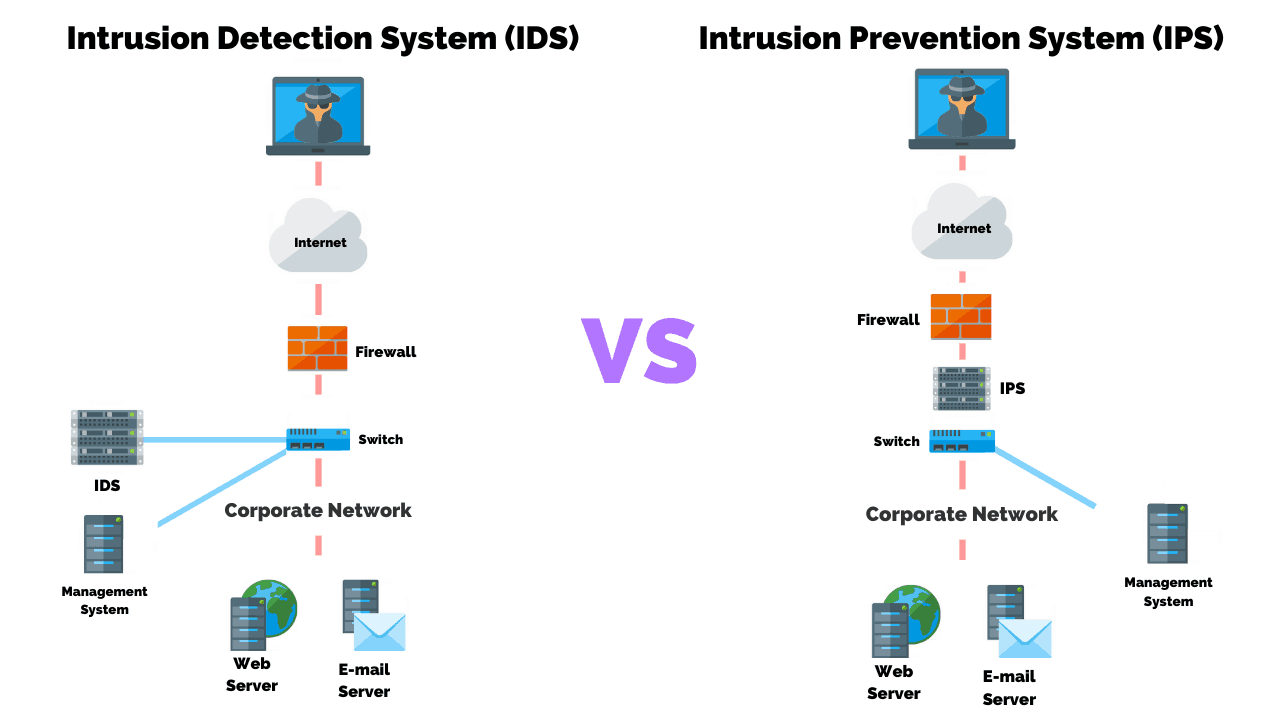
Write the differences between intrusion detection system and intrusion prevention system? Briefly discuss about the recent technologies used to restrict physical security breaches.

🛡️ Differences Between IDS and IPS

IDS vs IPS Comparison
Figure 5: Intrusion Detection System (IDS) vs Intrusion Prevention System (IPS)
Aspect Intrusion Detection System (IDS) Intrusion Prevention System (IPS)
Primary Function Monitors and alerts on suspicious activities Monitors, detects, and actively blocks threats
Response Action Passive - generates alerts only Active - blocks traffic, drops packets, resets connections
Network Position Out-of-band (taps/SPAN ports) - parallel to traffic flow In-line - directly in the traffic path
Latency Impact Zero latency - doesn't process live traffic Minimal latency - must process all traffic in real-time
False Positive Impact Low impact - just alerts High impact - may block legitimate traffic
Deployment Easier - no network reconfiguration needed Complex - requires careful tuning to avoid disruption
Use Case Forensics, compliance monitoring, threat detection Real-time threat prevention, automated response

Types:

  • NIDS/NIPS: Network-based - monitors network traffic
  • HIDS/HIPS: Host-based - monitors individual systems
  • Signature-based: Matches known attack patterns
  • Anomaly-based: Detects deviations from baseline behavior

🏢 Recent Technologies for Physical Security

Biometric Access Control
Figure 6: Biometric Access Control Systems

1. Advanced Biometric Systems:

  • Multi-modal Biometrics: Combining fingerprint, iris, facial recognition, and voice for higher accuracy
  • Behavioral Biometrics: Analyzing gait patterns, keystroke dynamics, and mouse movements
  • Contactless Biometrics: Touchless fingerprint and palm vein scanning (post-pandemic adoption)
  • 3D Facial Recognition: Liveness detection preventing spoofing with photos or masks

2. AI-Powered Surveillance:

  • Video Analytics: Real-time detection of unauthorized access, loitering, or abandoned objects
  • Facial Recognition: Identifying known threats or unauthorized personnel in real-time
  • Predictive Analytics: Identifying patterns that precede security incidents

3. Smart Access Control:

  • Mobile Credentials: Smartphone-based access using Bluetooth Low Energy (BLE) or NFC
  • Zero Trust Physical Security: Continuous verification even after initial entry
  • Integration with IT Systems: Linking physical access with logical access and HR databases

4. IoT Sensors and Perimeter Security:

  • LiDAR and Radar: Detecting intrusions along fence lines without physical barriers
  • Drone Detection: RF sensors and radar detecting unauthorized UAVs
  • Smart Fencing: Fiber optic cables detecting vibrations and cutting attempts

5. Emergency Response Technologies:

  • Mass Notification Systems: Multi-channel alerts (SMS, email, PA systems, digital signage)
  • Lockdown Systems: Automated door locking and access denial during emergencies
  • Geofencing: Location-based alerts when employees enter dangerous areas

⚖️ Question 5 6 Marks

How important is ethics in information security? What are the legal and ethical issues in this regard?

⚖️ Importance of Ethics in Information Security

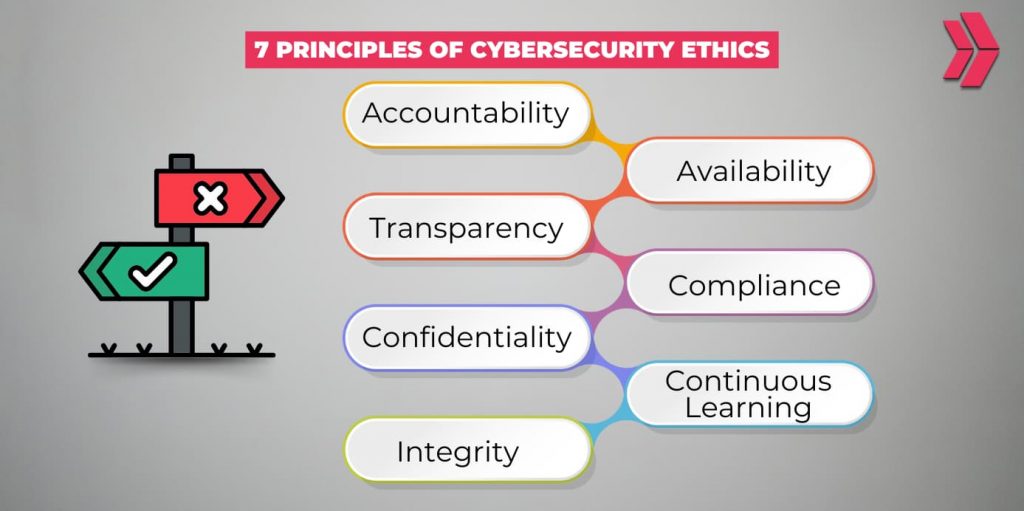
Cybersecurity Ethics
Figure 7: Core Principles of Cybersecurity Ethics

Ethics in information security is fundamental because security professionals hold extraordinary power and access to sensitive information. Unlike many professions, information security practitioners can access confidential data, monitor communications, and control critical systems.

Key Reasons for Ethical Importance:

  • Trust: Organizations and individuals trust security professionals with their most sensitive data
  • Power Imbalance: Security professionals possess technical capabilities that far exceed oversight capabilities
  • Privacy Protection: Balancing security needs against individual privacy rights
  • Professional Integrity: Maintaining standards that elevate the profession
  • Public Safety: Critical infrastructure protection affects public welfare

📜 Legal Issues in Information Security

1. Data Protection Laws:

  • GDPR (EU): Strict requirements for data handling, breach notification (72 hours), right to erasure
  • CCPA/CPRA (California): Consumer rights to know, delete, and opt-out of data sale
  • HIPAA (US Healthcare): Protected Health Information (PHI) security requirements
  • PIPEDA (Canada): Personal information protection in commercial activities

2. Computer Crime Legislation:

  • CFAA (US): Computer Fraud and Abuse Act - unauthorized access prohibitions
  • Computer Misuse Act (UK): Unauthorized access, modification, and malware distribution
  • Information Technology Act (India): Cybercrime penalties and digital signature regulations

3. Intellectual Property:

  • Software licensing compliance
  • Trade secret protection
  • Copyright infringement in security research

Ethical Issues in Information Security

1. Privacy vs. Security Dilemma:

The tension between monitoring for security threats and respecting employee privacy. Key considerations include:

  • Extent of monitoring (email, web traffic, keystrokes)
  • Transparency about monitoring practices
  • Purpose limitation - using data only for stated security purposes

2. Responsible Disclosure:

  • When security researchers discover vulnerabilities
  • Balancing public safety with vendor reputation
  • Coordinated vulnerability disclosure timelines
  • Bug bounty program ethics

3. Whistleblowing:

  • Reporting illegal activities vs. loyalty to employer
  • Protection for ethical whistleblowers
  • Proper channels for reporting concerns

4. Professional Conduct:

  • Certification requirements (CISSP Code of Ethics, EC-Council Code)
  • Confidentiality obligations
  • Avoiding conflicts of interest
  • Competence and continuous learning requirements

5. Artificial Intelligence Ethics:

  • Algorithmic bias in security tools
  • Automated decision-making accountability
  • Surveillance capitalism concerns
Ethical Frameworks: Security professionals should follow (1) Utilitarian approach (greatest good), (2) Deontological approach (duty-based), and (3) Virtue ethics (character-based) when making difficult decisions.

🔐 Question 6 6 Marks

What are the protocols used for secure communications and how do they maintain security?

📡 Secure Communication Protocols

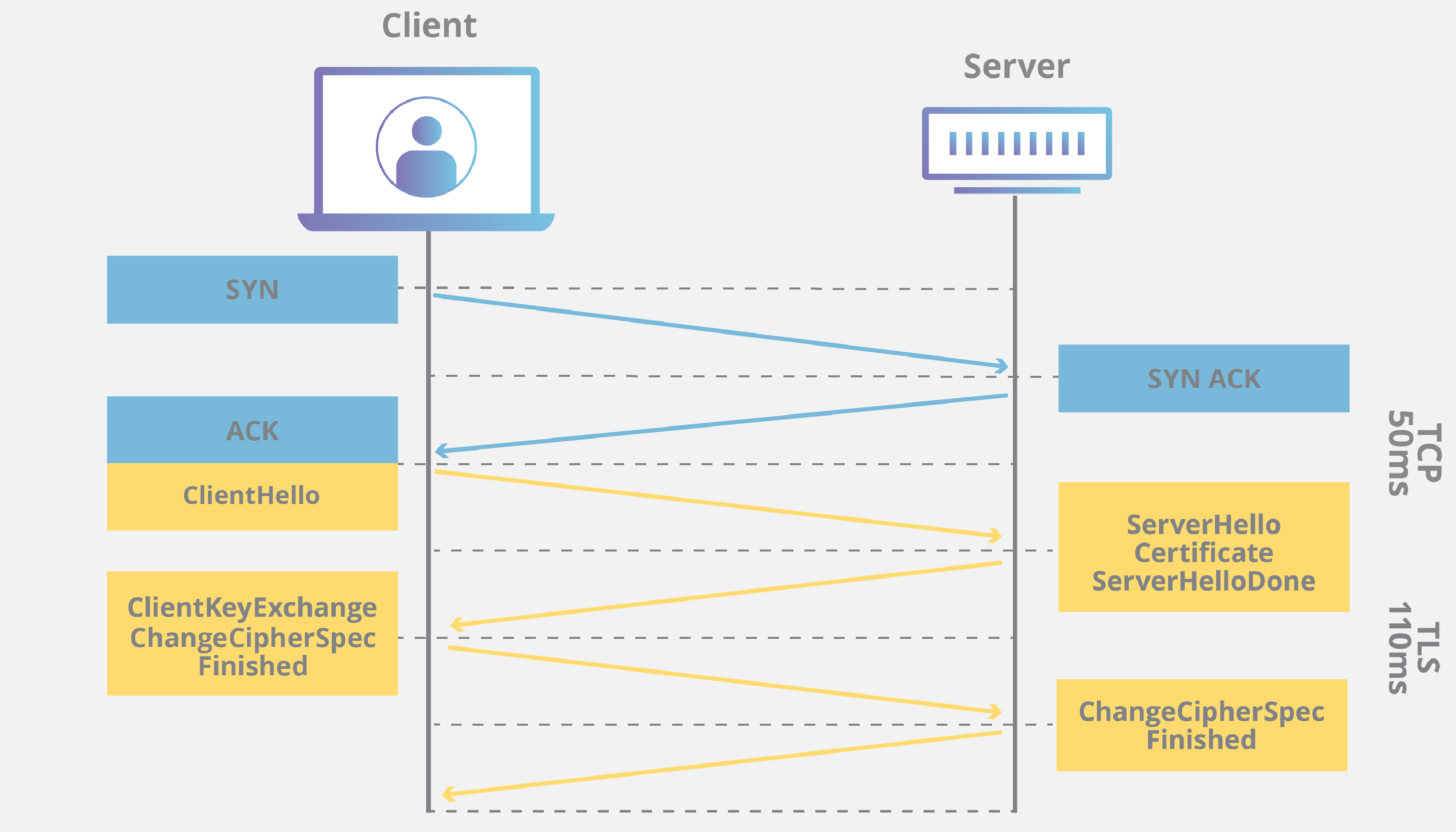
TLS Handshake
Figure 8: TLS/SSL Handshake Process for Secure Communication

1. Transport Layer Security (TLS) / Secure Sockets Layer (SSL):

TLS is the successor to SSL and is the standard for securing web communications (HTTPS).

  • Encryption: Uses symmetric encryption (AES, ChaCha20) for data confidentiality after handshake
  • Authentication: X.509 certificates verify server (and optionally client) identity
  • Integrity: Message Authentication Codes (MAC) or AEAD ciphers prevent tampering
  • Handshake Process:
    1. Client sends supported cipher suites and random number
    2. Server responds with certificate, selected cipher, and random number
    3. Key exchange (Diffie-Hellman or RSA) establishes pre-master secret
    4. Both parties derive session keys from pre-master secret
    5. Encrypted communication begins

2. Internet Protocol Security (IPsec):

Network layer security providing protection for IP communications.

  • Authentication Header (AH): Provides integrity and authentication but not encryption
  • Encapsulating Security Payload (ESP): Provides confidentiality, integrity, and authentication
  • Security Associations (SA): Establish parameters for secure communication
  • Internet Key Exchange (IKE): Automates key exchange and SA establishment
  • Modes: Transport mode (end-to-end) and Tunnel mode (gateway-to-gateway, used in VPNs)
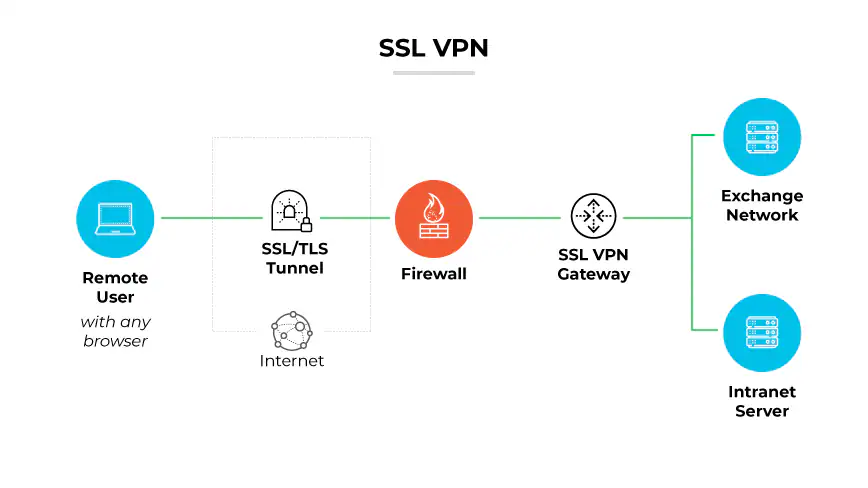
SSL VPN
Figure 9: SSL VPN Architecture for Secure Remote Access

3. Secure Shell (SSH):

Protocol for secure remote login and command execution.

  • Encryption: Symmetric encryption (AES, 3DES, Blowfish) for session data
  • Authentication: Password-based or public key authentication (RSA, ECDSA, Ed25519)
  • Host Verification: Server fingerprint verification prevents man-in-the-middle attacks
  • Port Forwarding: Secure tunneling for other protocols

4. Secure/Multipurpose Internet Mail Extensions (S/MIME):

Email security standard providing:

  • Digital Signatures: Sender authentication and non-repudiation
  • Encryption: Content confidentiality using public key cryptography
  • Certificate-based: X.509 certificates for identity verification

5. Pretty Good Privacy (PGP) / OpenPGP:

End-to-end encryption for email and files.

  • Hybrid Cryptosystem: Combines symmetric encryption (for speed) with asymmetric encryption (for key exchange)
  • Web of Trust: Decentralized trust model vs. certificate authorities
  • Hashing: SHA-256/SHA-512 for integrity verification

6. Virtual Private Network (VPN) Protocols:

  • OpenVPN: Open-source, uses TLS/SSL, highly configurable
  • WireGuard: Modern, lightweight, uses Curve25519 for key exchange
  • L2TP/IPsec: Layer 2 Tunneling Protocol combined with IPsec security
  • IKEv2/IPsec: Fast reconnection, mobile-friendly, built-in NAT traversal

7. DNS Security Extensions (DNSSEC):

  • Cryptographic verification of DNS responses
  • Prevents DNS spoofing and cache poisoning
  • Uses digital signatures and chain of trust from root DNS servers

8. Secure Real-time Transport Protocol (SRTP):

  • Encryption and authentication for VoIP communications
  • AES encryption for media streams
  • HMAC-SHA1 for message authentication
Security Mechanisms Summary: All secure protocols implement (1) Confidentiality through encryption, (2) Integrity through hashing/MACs, (3) Authentication through certificates or shared secrets, and (4) Non-repudiation through digital signatures.

⚠️ Question 7 6 Marks

Describe about the contemporary threats and attacks that organizations are facing in terms of their network and information security.

⚠️ Contemporary Network and Information Security Threats

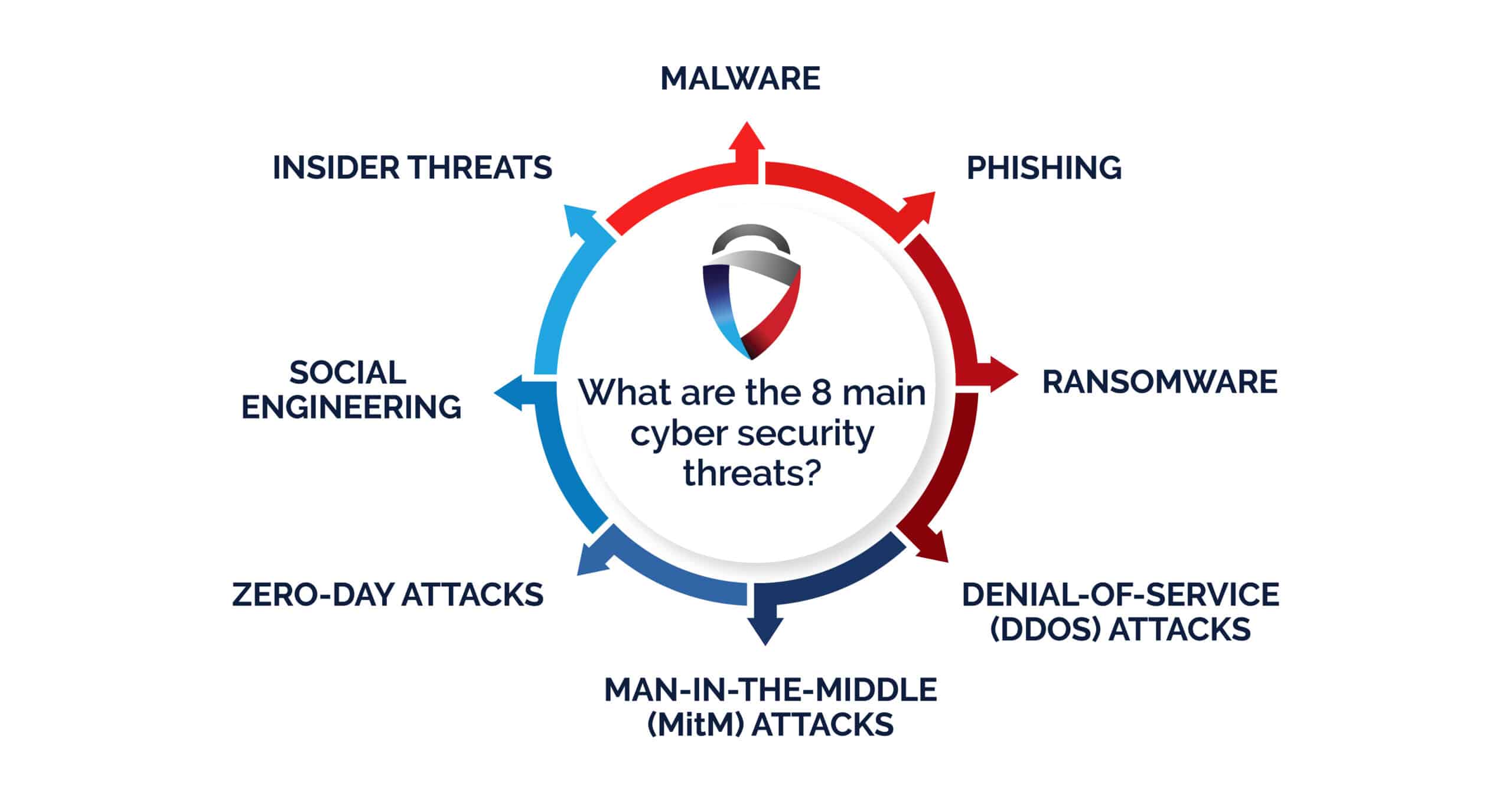
Cybersecurity Threats
Figure 10: Major Cybersecurity Threats Facing Organizations

1. Ransomware and Extortion:

Ransomware has evolved from simple file encryption to double and triple extortion models:

  • Double Extortion: Encrypt data AND threaten to leak it publicly
  • Triple Extortion: Also threaten customers/partners or launch DDoS attacks
  • Ransomware-as-a-Service (RaaS): Affiliate models lowering technical barriers
  • Supply Chain Ransomware: Targeting MSPs to access multiple victims
  • Notable families: LockBit, BlackCat (ALPHV), Cl0p, Play

2. Advanced Persistent Threats (APTs):

Sophisticated, long-term targeted attacks typically nation-state sponsored:

  • Characteristics: Long dwell time (months/years), specific targets, advanced techniques
  • Tactics: Living off the land (using legitimate tools), fileless malware, zero-day exploits
  • Objectives: Espionage, intellectual property theft, critical infrastructure disruption
  • Examples: APT29 (Cozy Bear), APT28 (Fancy Bear), Lazarus Group

3. Supply Chain Attacks:

  • Software Supply Chain: Compromising legitimate software updates (SolarWinds, Kaseya)
  • Hardware Supply Chain: Implants in manufactured devices
  • Third-Party Compromise: Attacking less secure vendors to reach primary targets
  • Open Source Risks: Malicious packages in npm, PyPI, GitHub repositories

4. Cloud Security Threats:

  • Misconfiguration: Exposed S3 buckets, open databases, default credentials
  • Identity and Access Management (IAM) Attacks: Credential stuffing, privilege escalation
  • API Vulnerabilities: Insecure APIs exposing cloud resources
  • Multi-Cloud Complexity: Inconsistent security policies across providers
  • Cryptojacking: Unauthorized mining using compromised cloud resources

5. Social Engineering and Phishing:

  • Spear Phishing: Highly targeted attacks using personal information
  • Business Email Compromise (BEC): Impersonating executives for wire fraud
  • Deepfake Attacks: AI-generated audio/video for impersonation
  • Quishing: QR code phishing bypassing email filters
  • Vishing: Voice phishing using VoIP and caller ID spoofing

6. IoT and Edge Device Threats:

  • Botnets: Mirai and variants compromising IoT devices for DDoS
  • Default Credentials: Unchanged factory passwords
  • Unpatched Firmware: Devices difficult to update
  • Shadow IoT: Unauthorized devices on corporate networks

7. AI-Powered Attacks:

  • Adversarial Machine Learning: Poisoning training data or evading detection
  • Deepfake Technology: Synthetic media for social engineering
  • Automated Vulnerability Discovery: AI scanning for weaknesses faster
  • Polymorphic Malware: AI-generated code that constantly changes signature

8. Insider Threats:

  • Malicious Insiders: Disgruntled employees stealing data or sabotaging systems
  • Compromised Insiders: Credentials stolen through social engineering
  • Negligent Insiders: Unintentional data leaks through carelessness

9. Zero-Day Exploits:

  • Vulnerabilities unknown to vendors and users
  • Premium prices on underground markets
  • Used in targeted attacks before patches available

10. Distributed Denial of Service (DDoS):

  • Volumetric Attacks: Overwhelming bandwidth (UDP floods)
  • Protocol Attacks: Consuming server resources (SYN floods)
  • Application Layer Attacks: Targeting specific application functions
  • Amplification: Using DNS, NTP, or memcached to magnify attack size

📉 Question 8 6 Marks

What factors need to be considered while selecting an appropriate risk control strategy for an organization?

📉 Factors for Selecting Risk Control Strategy

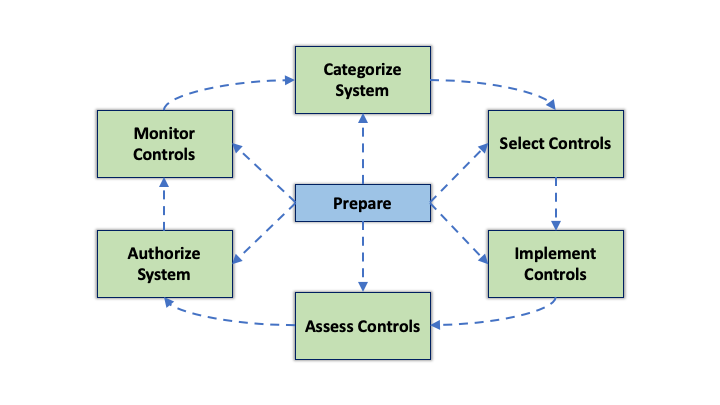
Risk Management Framework
Figure 11: Risk Management Framework (RMF) Process

Selecting an appropriate risk control strategy requires systematic evaluation of multiple organizational, technical, and business factors. The four primary risk treatment options are: Risk Avoidance, Risk Mitigation, Risk Transfer, and Risk Acceptance.

1. Risk Assessment Results:

  • Likelihood of Occurrence: Probability based on threat intelligence and historical data
  • Impact Analysis: Financial, operational, reputational, and regulatory consequences
  • Risk Appetite: Organization's willingness to accept risk levels
  • Risk Tolerance: Acceptable variation relative to risk appetite

2. Cost-Benefit Analysis:

  • Implementation Costs: Capital expenditure, operational costs, training
  • ROI of Controls: Annualized Loss Expectancy (ALE) vs. control costs
  • Residual Risk Cost: Cost of remaining risk after controls
  • Opportunity Cost: Resources diverted from other initiatives

3. Regulatory and Compliance Requirements:

  • Mandatory Controls: Legally required safeguards (GDPR, HIPAA, PCI-DSS)
  • Industry Standards: ISO 27001, NIST CSF, CIS Controls
  • Audit Requirements: Evidence and documentation needs
  • Geographic Considerations: Data residency and cross-border transfer laws

4. Business Context:

  • Criticality of Assets: Value of information assets being protected
  • Business Process Impact: Effect on operations, productivity, and customer service
  • Strategic Alignment: Support for business objectives and growth
  • Competitive Advantage: Security as differentiator in market

5. Technical Feasibility:

  • Compatibility: Integration with existing infrastructure
  • Scalability: Ability to grow with organization
  • Complexity: Implementation difficulty and maintenance overhead
  • Performance Impact: Effect on system speed and availability

6. Organizational Factors:

  • Security Maturity: Current capabilities and readiness
  • Resource Availability: Skilled personnel, budget constraints
  • Cultural Readiness: Employee acceptance and change management
  • Time Constraints: Urgency of implementation

7. Threat Landscape:

  • Emerging Threats: Relevance to current attack vectors
  • Threat Actor Capabilities: Sophistication of potential adversaries
  • Threat Intelligence: Industry-specific threat data

8. Control Effectiveness:

  • Preventive vs Detective vs Corrective: Layered defense strategy
  • Single Point of Failure: Redundancy requirements
  • Automation Level: Manual vs automated response capabilities
  • Monitoring and Metrics: Ability to measure control effectiveness

9. Third-Party Considerations:

  • Vendor Risk: Reliability of control providers
  • Supply Chain Security: Dependencies on external parties
  • Insurance Requirements: Cyber insurance policy conditions

10. Residual Risk Evaluation:

  • Acceptable Residual Risk: Whether remaining risk is tolerable
  • Compensating Controls: Alternative safeguards if primary controls fail
  • Continuous Monitoring: Ongoing assessment of risk levels
Decision Framework: Use a risk matrix combining impact and likelihood to prioritize risks. High-impact/high-likelihood risks typically require mitigation; low-impact/low-likelihood risks may be accepted. Always document the rationale for risk acceptance decisions.

🔑 Question 9 6 Marks

Explain the foundation and objectives of cryptology.

🔑 Foundation and Objectives of Cryptology

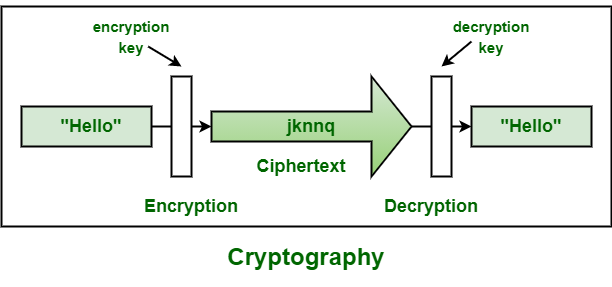
Cryptography Process
Figure 12: Encryption and Decryption Process in Cryptography

Definition: Cryptology is the science of secure communication, encompassing both Cryptography (the art of writing secret codes) and Cryptanalysis (the art of breaking them). It forms the mathematical foundation of information security.

Historical Foundations

1. Ancient Origins:

  • Caesar Cipher (100 BC): Substitution cipher shifting letters by fixed amount
  • Scytale (Spartans): Transposition cipher using cylindrical rods
  • Arabic Contributions (9th century): Systematic cryptanalysis methods by Al-Kindi

2. Mathematical Foundations:

  • Number Theory: Prime numbers, modular arithmetic, discrete logarithms
  • Probability Theory: Claude Shannon's information theory (1949)
  • Complexity Theory: Computational hardness assumptions (P vs NP)
  • Algebraic Structures: Groups, rings, fields (especially finite fields/Galois fields)

3. Modern Cryptography Era:

  • 1976 (Diffie-Hellman): First practical public-key exchange
  • 1977 (RSA): First practical public-key encryption and signature scheme
  • 2001 (AES): Advanced Encryption Standard replacing DES
  • Post-Quantum: Lattice-based, hash-based cryptography for quantum resistance

🔑 Core Objectives of Cryptology (CIA+)

1. Confidentiality (Privacy):

Ensuring information is accessible only to authorized parties:

  • Encryption: Transforming plaintext to ciphertext using algorithms and keys
  • Access Control: Restricting decryption capabilities to authorized entities
  • Forward Secrecy: Protecting past sessions even if long-term keys are compromised

2. Integrity:

Assuring information has not been altered in storage or transmission:

  • Hash Functions: MD5, SHA-256, SHA-3 producing fixed-size digests
  • Message Authentication Codes (MAC): HMAC using shared secrets
  • Digital Signatures: Asymmetric integrity verification with non-repudiation

3. Authentication:

Verifying the identity of communicating parties:

  • Entity Authentication: Proving identity (passwords, certificates, biometrics)
  • Message Authentication: Verifying message origin
  • Multi-factor Authentication: Combining knowledge, possession, and inherence factors

4. Non-repudiation:

Preventing denial of previous commitments or actions:

  • Digital Signatures: Binding identity to documents using private keys
  • Timestamping: Trusted third-party verification of time
  • Audit Trails: Immutable logs of actions

5. Availability (Extended Objective):

Ensuring systems and data are accessible when needed:

  • Distributed Systems: Threshold cryptography, secret sharing
  • Key Escrow: Recovery mechanisms for lost keys

Cryptographic Primitives

Primitive Symmetric (Secret Key) Asymmetric (Public Key)
Encryption AES, ChaCha20, 3DES RSA, ECC, ElGamal
Key Exchange Diffie-Hellman (hybrid) RSA, ECDH, Post-Quantum
Digital Signatures HMAC RSA, ECDSA, EdDSA
Hash Functions SHA-256, SHA-3, BLAKE2

Kerckhoffs's Principle

A fundamental tenet stating that a cryptosystem should be secure even if everything about the system, except the key, is public knowledge. This emphasizes:

  • Security should not rely on obscurity
  • Algorithms should be publicly vetted
  • Keys must remain secret
Shannon's Maxim: "The enemy knows the system." Modern cryptography assumes adversaries have complete knowledge of algorithms; security depends solely on key secrecy and computational hardness.

🔍 Question 10 6 Marks

Write short notes on Any TWO: (a) Risk management (b) Security blueprint (c) Digital forensics

📉 (a) Risk Management

Definition: Risk management is the systematic process of identifying, assessing, and controlling threats to an organization's capital, earnings, and operations. In information security, it specifically addresses risks to information assets.

Risk Management Process:

  1. Risk Identification: Cataloging assets, threats, vulnerabilities, and existing controls
  2. Risk Assessment: Analyzing likelihood and impact to determine risk levels
  3. Risk Treatment: Selecting and implementing appropriate strategies (avoid, mitigate, transfer, accept)
  4. Risk Monitoring: Continuous tracking of risk landscape and control effectiveness
  5. Communication: Reporting to stakeholders and maintaining risk awareness

Key Risk Calculation Formulas:

  • Single Loss Expectancy (SLE): Asset Value × Exposure Factor
  • Annualized Rate of Occurrence (ARO): Expected frequency per year
  • Annualized Loss Expectancy (ALE): SLE × ARO

Frameworks: ISO 31000, NIST SP 800-30, FAIR (Factor Analysis of Information Risk), OCTAVE

🗺️ (b) Security Blueprint

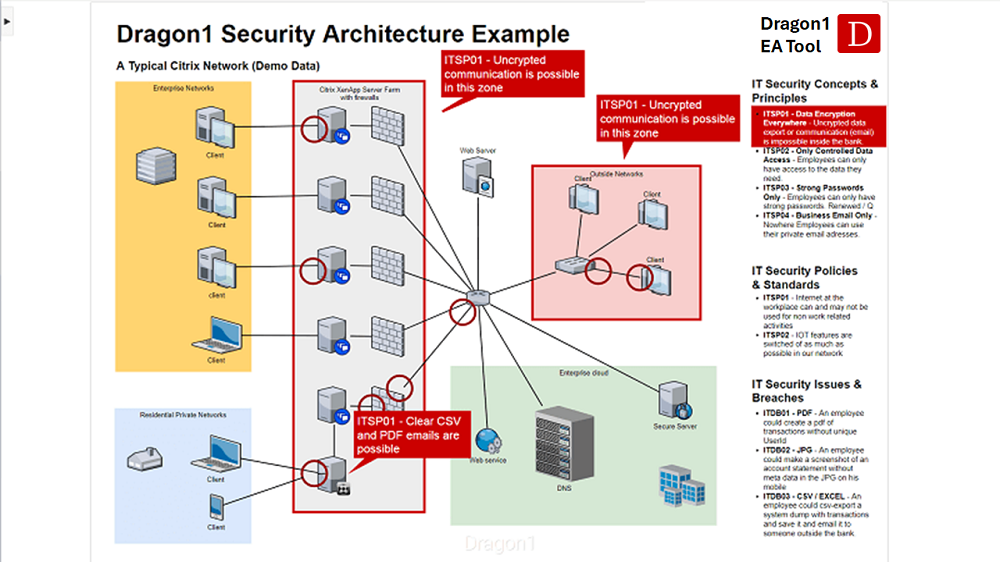
Security Architecture Blueprint
Figure 13: Security Architecture Blueprint Example

Definition: A security blueprint (or security architecture) is a comprehensive plan that describes the structure and behavior of an organization's security processes, information security systems, personnel, and organizational sub-units. It shows how security components fit together and interact.

Components of Security Blueprint:

  • Security Policies: High-level statements of management intent
  • Standards: Mandatory requirements for hardware, software, and procedures
  • Procedures: Step-by-step instructions for specific tasks
  • Guidelines: Recommendations and best practices
  • Baseline Configurations: Minimum security settings for systems

Architecture Layers:

  1. Business Layer: Security governance, risk appetite, compliance requirements
  2. Information Layer: Data classification, ownership, lifecycle management
  3. Application Layer: Secure coding standards, authentication mechanisms
  4. Technology Layer: Network segmentation, encryption protocols, monitoring tools
  5. Physical Layer: Facility security, environmental controls

Frameworks: SABSA (Sherwood Applied Business Security Architecture), TOGAF Security Architecture, NIST CSF

🔍 (c) Digital Forensics

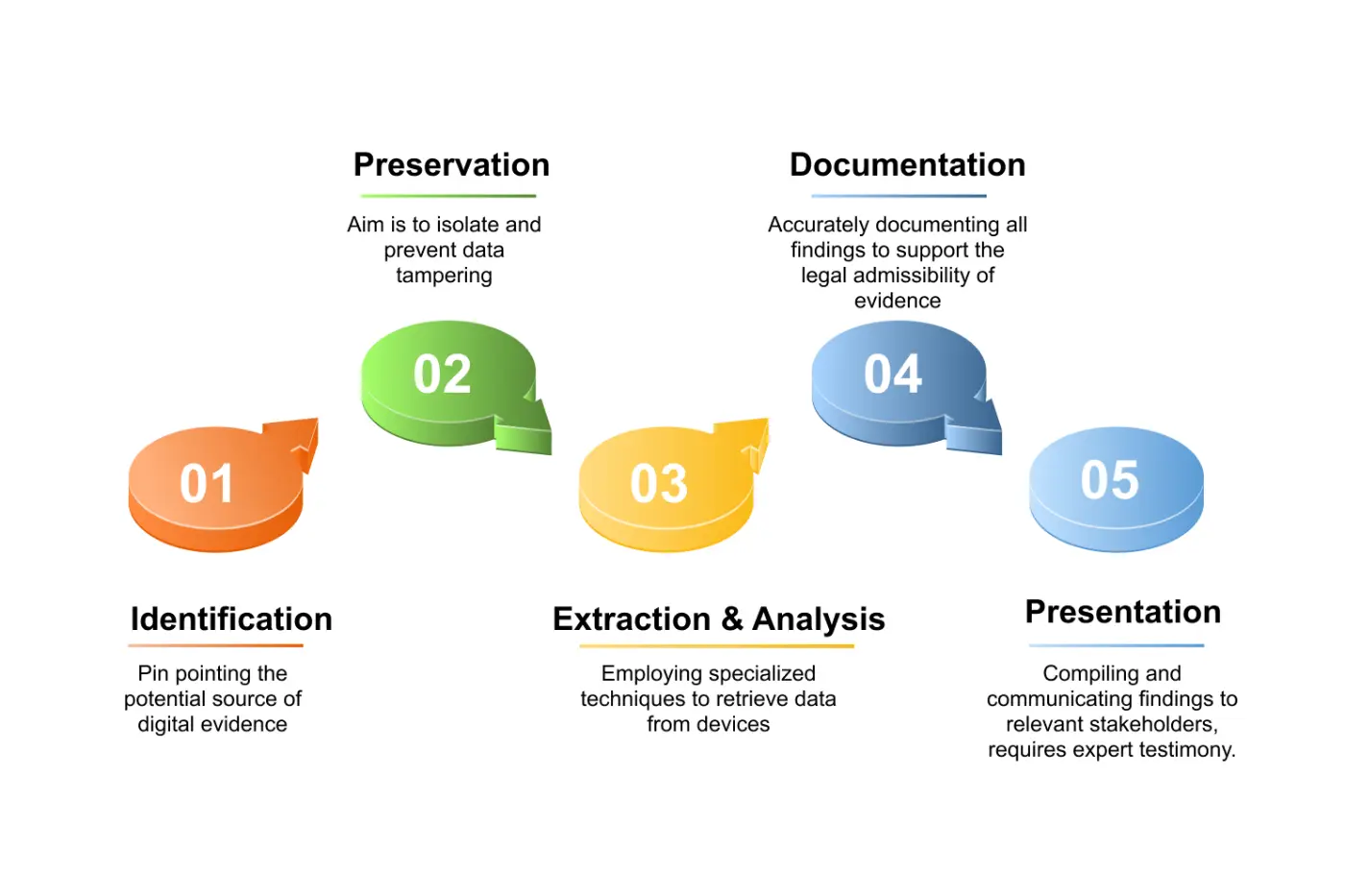
Digital Forensics Process
Figure 14: Digital Forensics Investigation Process

Definition: Digital forensics (or computer forensics) is the scientific process of identifying, preserving, analyzing, and presenting digital evidence in a manner that is legally acceptable. It involves the investigation of computer systems, networks, and digital storage media.

Phases of Digital Forensics:

  1. Identification: Recognizing potential evidence sources (computers, mobile devices, cloud, IoT)
  2. Preservation: Creating forensic images (bit-for-bit copies) using write blockers to prevent evidence alteration
  3. Collection: Documenting chain of custody, seizing devices, capturing volatile memory
  4. Examination: Using forensic tools (EnCase, FTK, Autopsy) to extract relevant data
  5. Analysis: Correlating evidence, timeline reconstruction, file recovery, metadata examination
  6. Reporting: Documenting findings in clear, legally admissible format for courts

Types of Digital Forensics:

  • Computer Forensics: Desktop/laptop hard drives and storage media
  • Network Forensics: Network traffic analysis, intrusion investigation
  • Mobile Forensics: Smartphones, tablets, GPS devices
  • Cloud Forensics: Virtual machines, cloud storage, SaaS applications
  • Memory Forensics: RAM analysis for malware and running processes
  • Database Forensics: Transaction logs, deleted records recovery

Legal Principles:

  • Chain of Custody: Documented evidence handling from seizure to court
  • Integrity Verification: Cryptographic hashing (MD5, SHA-256) to prove evidence hasn't changed
  • Admissibility Standards: Daubert standard for scientific evidence in US courts
  • Privacy Laws: Compliance with search warrants and data protection regulations

Tools: EnCase, AccessData FTK, Cellebrite (mobile), Volatility (memory), Sleuth Kit/Autopsy (open source), X-Ways Forensics

WhatsApp
Telegram
Copy Link
QR Code